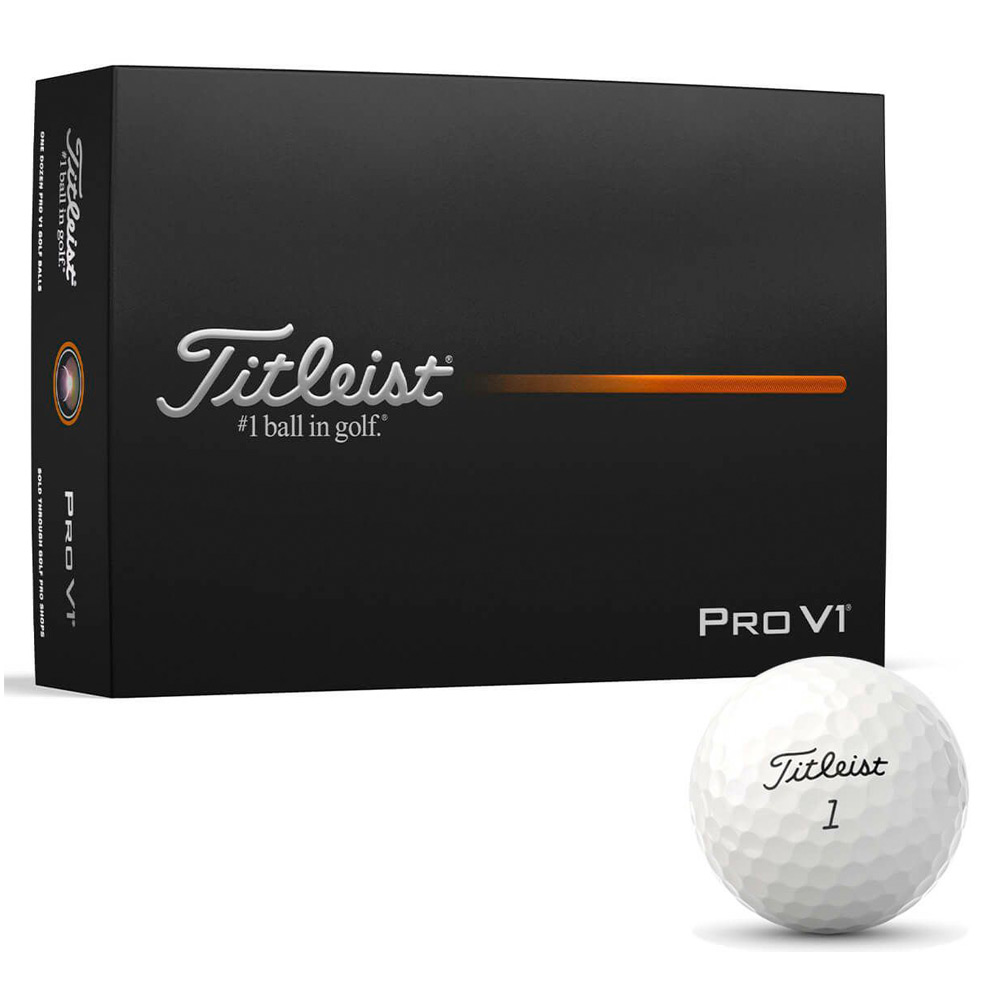
Do Expensive Golf Balls Make a Difference? (2026)
Performance vs Price. What Actually Matters for Your Game.
Golf balls can cost anywhere from $20 to $55 per dozen.
That raises a simple question:
Do expensive golf balls actually make a difference?
The answer is yes, but not always in the way most golfers expect.
At Golf Gear Authority, we evaluate equipment based on real performance, not perception.
Here’s what expensive golf balls actually do, who they benefit, and when they’re worth it.
What Makes a Golf Ball “Expensive”?


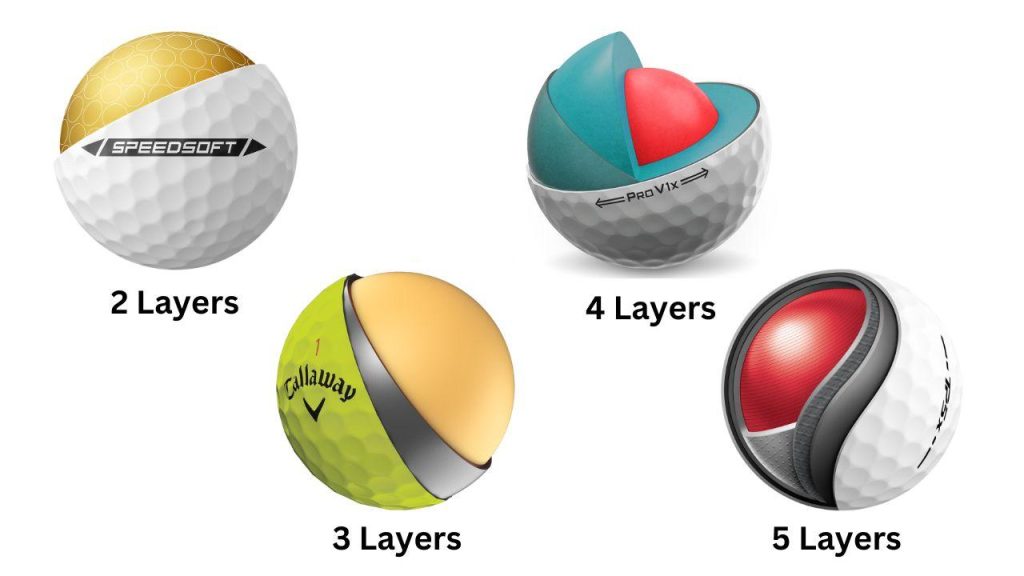
Premium golf balls cost more because of their construction.
Most expensive balls feature:
- Multi-layer design (3–5 layers)
- Urethane covers
- Advanced core technology
- Precision manufacturing
These features are designed to improve performance across multiple areas of the game.
Where Expensive Golf Balls Make a Difference
1. Greenside Spin and Control
This is the biggest difference.
Premium golf balls generate more spin around the greens.
That leads to:
- Better stopping power
- More control on approach shots
- Improved short game performance
Budget balls typically:
- Roll out more
- Offer less spin
- Provide less control
2. Feel
Expensive golf balls generally feel softer and more responsive.
You’ll notice:
- Better feedback on chips and putts
- More control on delicate shots
- A more refined overall feel
For many golfers, feel directly impacts confidence.
3. Consistency
Premium balls are manufactured with tighter tolerances.
That means:
- More consistent ball flight
- Predictable performance
- Less variation between balls
This becomes more important as skill level increases.
4. Full Bag Performance
Premium balls are designed to perform across all clubs:
- Driver: Low spin, high speed
- Irons: Controlled spin and distance
- Wedges: High spin and control
Budget balls often prioritize:
- Distance
- Durability
But sacrifice short game performance.
Where Expensive Golf Balls Don’t Matter as Much
1. Distance
Distance differences are often minimal.
Many budget balls provide:
- Comparable ball speed
- Strong carry distance
- Low spin off the driver
For most golfers, distance is not the main advantage of premium balls.
2. Forgiveness
Premium balls are not more forgiving.
In some cases:
- Higher spin can exaggerate slices and hooks
- Budget balls may actually fly straighter
This is especially true for high handicappers.
3. Beginners and High Handicappers
If you’re still developing your swing:
- You may not fully benefit from premium features
- You may lose more balls
- You may not generate enough spin to take advantage
In this case, value often matters more than performance.
Who Should Play Expensive Golf Balls?
Premium golf balls are best for:
- Low handicappers
- Skilled ball strikers
- Golfers who prioritize short game control
- Players who want consistent performance
Who Should Avoid Expensive Golf Balls?
You may not need them if you:
- Are a beginner
- Have a high handicap
- Lose multiple balls per round
- Prioritize distance over control
In these cases, budget balls often make more sense.
Premium vs Budget Golf Balls
Premium Golf Balls
- Higher spin
- Better feel
- More control
- Higher cost
Budget Golf Balls
- Lower spin
- More durable
- More affordable
- Less short game control
The Real Question: Is It Worth It?
It depends on your game.
Ask yourself:
- Do I control my approach shots?
- Do I benefit from added spin?
- Am I consistent enough to notice the difference?
If yes—premium balls can improve performance.
If not—budget options may be the smarter choice.
A Smarter Approach
Many golfers benefit from a hybrid strategy:
- Use budget balls for casual rounds
- Use premium balls for competitive play
This balances performance and cost.
Final Verdict
Yes, expensive golf balls make a difference.
But only if your game is ready for it.
For the right player, they provide:
- More control
- Better feel
- More consistency
For others, the benefits may not justify the cost.
Final Thought
Golf is about optimizing performance, not chasing price tags.
The best golf ball is the one that fits your game.
Not the one that costs the most.