Driver Buying Guide (2026 Edition)
How to Choose the Right Driver for Your Swing



Buying a driver should not feel like guessing.
Yet for most golfers, it does.
You see marketing claims:
- “10 yards longer”
- “Lower spin”
- “Maximum forgiveness”
- “AI face technology”
The truth?
Modern drivers are all very good.
The difference comes down to fit — not brand.
At Golf Gear Authority, we believe the right driver is the one that optimizes:
- Launch angle
- Spin rate
- Ball speed retention
- Dispersion pattern
- Confidence at address
This guide will help you choose the right driver based on your swing — not someone else’s.
Step 1: Know Your Swing Speed
Swing speed is the foundation of driver selection.
Under 90 mph
- Prioritize forgiveness
- Higher launch profile
- Mid-to-high spin head
- Lightweight shaft
90–105 mph
- Balanced launch and spin
- Adjustable weighting helpful
- Mid-launch shaft profile
105+ mph
- Lower spin head options
- Stiffer, heavier shafts
- Adjustable CG placement
If you don’t know your swing speed, use a launch monitor or local fitting center.
Step 2: Understand Your Miss Pattern
Your driver should help your most common miss.
Heel / Toe Strikes
Look for:
- High MOI heads
- Larger profiles
- Perimeter weighting
High Face Miss
Often produces low spin knuckleballs.
A slightly higher spin head may improve consistency.
Slice Bias
- Consider draw-biased models
- Adjust hosel settings
- Evaluate shaft weight and flex
The goal isn’t perfection.
It’s tighter dispersion.
Step 3: Spin and Launch Matter More Than Marketing
The optimal driver for most golfers produces:
- Launch: 12–15 degrees
- Spin: 2,200–2,800 RPM (varies by speed)
- Consistent carry numbers
Too much spin costs distance.
Too little spin reduces control.
The right driver balances both.
Step 4: Shaft Selection Is Not Optional
The shaft influences:
- Launch
- Spin
- Feel
- Timing
Common Mistakes:
- Choosing “Stiff” because it sounds right
- Playing too light or too heavy
- Ignoring torque and bend profile
A properly matched shaft can improve dispersion immediately.
Step 5: Forgiveness vs Workability
Be honest about your priorities.
Choose Forgiveness If:
- You miss across the face
- You want straighter drives
- You value consistency over shaping
Choose Lower Spin / Workability If:
- You consistently strike center
- You shape shots intentionally
- You generate higher swing speed
There is no ego in choosing forgiveness.
Lower scores matter more.
Adjustable Features: What Actually Matters?
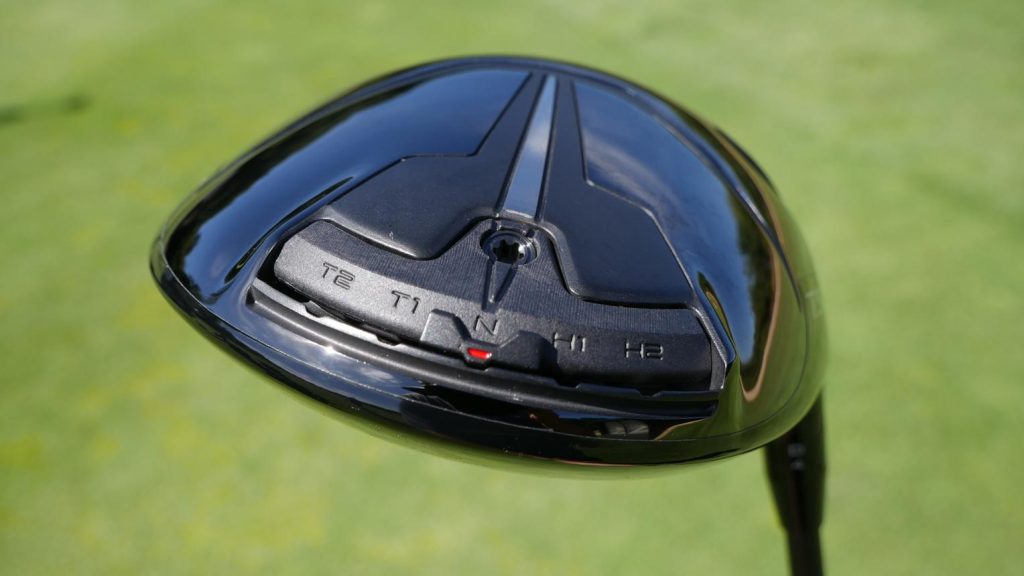
Modern drivers offer:
- Adjustable hosels
- Sliding weights
- Interchangeable shafts
These features are valuable — but only if used properly.
Adjustability should fine-tune performance, not fix a fundamentally mismatched head.
When Should You Upgrade Your Driver?
Upgrade if:
- Your driver is 4+ years old
- You lose significant ball speed on mishits
- Your spin numbers are inconsistent
- You’ve never been properly fit
Wait if:
- Your dispersion is already tight
- You’ve been recently fit
- You’re chasing minimal yardage gains
Modern gains are incremental — but measurable.
Should You Get Fit?
Yes.
If you’re serious about performance, a fitting session removes guesswork.
Even a 30-minute launch monitor session can reveal:
- True carry distance
- Spin inefficiencies
- Shaft mismatches
- Launch inconsistencies
Data removes doubt.
Recommended Drivers for 2026
If you’re ready to explore top-performing models, start here:
View our full Best Drivers of 2026 rankings here.
Ready to Compare Current Models?
Browse the latest driver models, shaft options, and pricing here.
Our Perspective
The best driver isn’t the newest release.
It’s the one that matches your swing.
Confidence comes from knowing:
- Your numbers are optimized
- Your dispersion is tighter
- Your misses are more playable
Buy based on performance — not marketing.
Test intelligently.
Choose deliberately.
Play confidently.