When Is It Really Time to Upgrade Your Golf Driver?
Golfers love new drivers.
Every year brings new faces, lighter materials, improved aerodynamics, higher MOI, and new promises of more distance. But that does not mean you need to replace your driver every season.
For most golfers, a quality driver can remain effective for four to six years or longer if the club still fits the swing and the head, shaft, and face remain in good condition.
The better question is not:
“How old is my driver?”
It is:
“Is my current driver still giving me the best combination of distance, forgiveness, and dispersion for my swing?”
At Golf Gear Authority, we break down how long drivers typically last, the signs that it may be time for an upgrade, when you should keep what you already have, and which current drivers are worth considering if you are ready to replace yours.
How Often Should You Replace Your Driver?
For most recreational golfers, a driver replacement cycle of roughly 4–6 years is reasonable.
That does not mean a six-year-old driver suddenly stops working. In many cases, it can still perform extremely well.
However, over several generations, manufacturers can introduce meaningful improvements in areas such as:
- Forgiveness
- Ball-speed retention
- Adjustability
- Aerodynamics
- Weight distribution
- Launch and spin consistency
- Shaft fitting options
The biggest gains usually come when your existing driver is poorly fitted or significantly older—not simply because a newer model exists.


Quick Guide: Should You Replace Your Driver?
| Situation | Replace It? |
|---|---|
| Driver is 1–3 years old and fits well | Probably not |
| Driver is 4–6 years old | Worth comparing |
| Driver is 7+ years old | Strongly consider testing |
| Face or head is damaged | Yes |
| Shaft no longer fits your swing | Refit or replace |
| You consistently lose excessive spin | Consider upgrading |
| Your miss has changed significantly | Get fitted |
| You recently gained or lost swing speed | Get fitted |
| You simply want a new driver | Nothing wrong with that |
1. Your Driver Is More Than Five Years Old
Driver technology tends to evolve gradually.
Replacing a two-year-old driver with this year’s model may produce little improvement for many golfers.
Going from a driver that is six, eight, or ten years old to a current model can be a different story.
Today’s drivers often provide significantly more stability on off-center strikes, which may matter more than gaining a few extra yards from perfect contact.

Golf Gear Authority Take
If your driver is more than five years old, do not automatically replace it.
Instead, take it to a fitting and compare it directly against a few current models.
If your old driver keeps up in:
- Carry distance
- Ball speed
- Dispersion
- Launch
- Spin
keep playing it.
2. You’re Losing Distance
A sudden loss of distance can signal that your equipment no longer fits your swing.
But before blaming the driver, look at the data.
Possible causes include:
- Lower swing speed
- Excessive spin
- Poor launch angle
- Low-face contact
- Heel or toe strikes
- Incorrect shaft
- Poor driver loft


A launch monitor can tell you whether the problem is the equipment or the swing.
If you are consistently losing distance despite solid contact, it may be worth comparing your current driver with newer equipment.
3. Your Driver Has Become Less Forgiving
This one is often overlooked.
Drivers can physically last for years, but your swing can change significantly during that period.
Maybe you once struck the center consistently but now miss toward the heel.
Maybe you developed a slice.
Maybe your swing speed has dropped.
A newer driver with a different center of gravity or higher MOI may better fit your current swing.
4. Your Swing Speed Has Changed
Your driver fit is heavily influenced by swing speed.
If your speed has increased or decreased significantly, your old combination of:
- Loft
- Shaft flex
- Shaft weight
- Head design
- Spin profile
may no longer be ideal.
This is particularly relevant for seniors, golfers returning from injury, and players who have completed speed-training programs.
5. Your Shaft No Longer Fits
Sometimes you do not need a completely new driver.
You may simply need a different shaft.
Changes in your swing can make your current shaft feel:
- Too heavy
- Too light
- Too stiff
- Too soft
- Too difficult to square
Modern adjustable drivers make shaft changes easier than they were years ago.
Before spending $600 or more on a new driver, have a fitter evaluate your existing head with several shafts.
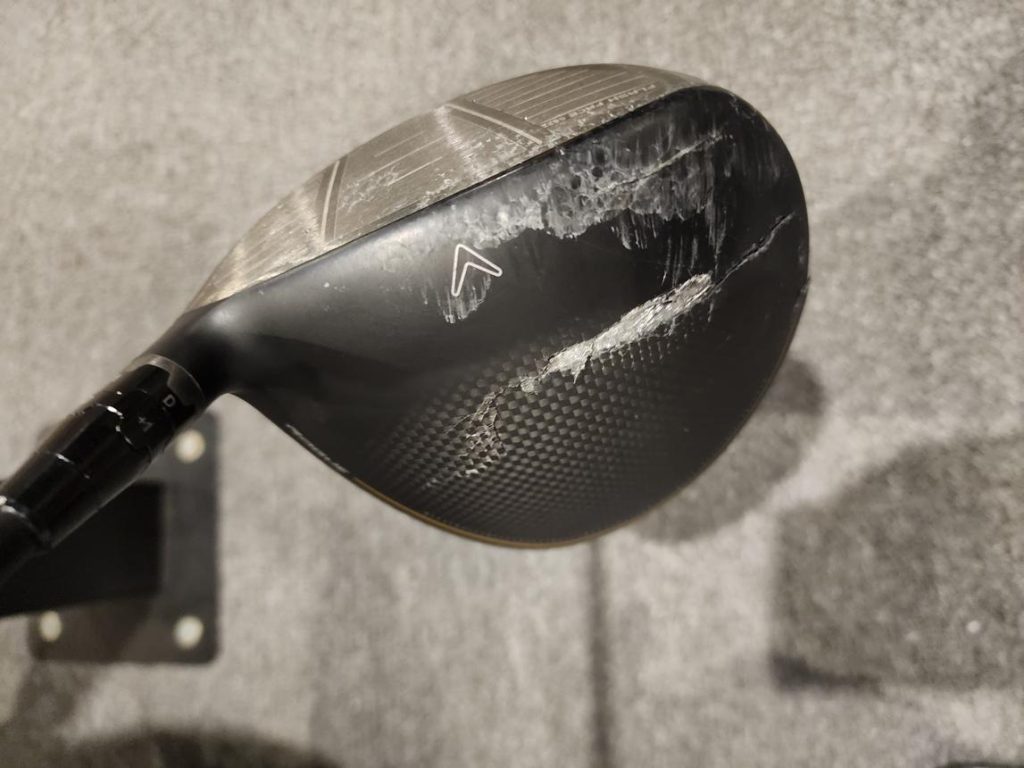
6. Your Driver Face or Head Is Damaged
This is one situation where replacement should not wait.
Inspect your driver for:
- Cracks
- Face deformation
- Loose internal components
- Damaged hosel
- Strange rattling
- Severe crown damage


If the head is visibly damaged, stop using it until it has been evaluated.
7. Your Dispersion Is Getting Worse
Distance gets most of the attention, but dispersion may matter even more.
Suppose your current driver averages 255 yards but regularly puts you in trouble.
A new driver that averages 252 yards but significantly tightens dispersion may actually improve your scores.
When testing drivers, compare:
- Average carry
- Total distance
- Left-to-right dispersion
- Ball-speed retention
- Spin consistency
Do not choose a driver based on your single longest shot.
How Long Does a Golf Driver Last?
There is no fixed expiration date.
A driver that is used twice per month may last dramatically longer than one being hit several hundred times each week.
For the typical recreational golfer, the head itself can remain playable for many years.
What usually makes replacement worthwhile is not that the club has physically “worn out.”
It is that:
technology, fitting, or your swing has changed enough to make another driver perform better.
Do Drivers Lose Their Pop Over Time?
This is one of the most common golf-equipment questions.
For the average golfer, a driver does not normally lose substantial performance simply because it is a few years old.
However, extremely heavy use can eventually affect a face or head, particularly if structural damage develops.
If you suspect your driver has lost ball speed:
- Test it on a launch monitor.
- Record average ball speed.
- Compare it directly with another driver.
- Look for visible face damage.
Testing is far more reliable than guessing.
Is a New Driver Really Longer?
Sometimes.
But not always.
Driver-face performance is regulated, so manufacturers cannot simply make each year’s center strike dramatically hotter.
Many of today’s improvements are instead aimed at:
- Maintaining speed on mishits
- Optimizing spin
- Increasing stability
- Improving fitting
- Changing mass distribution
- Improving aerodynamics
TaylorMade’s 2026 Qi4D Max, for example, uses a redesigned head, adjustable weighting, a 60x Carbon Twist Face, and revised face roll intended to create more consistent spin on strikes at different vertical locations.
That kind of improvement can help an inconsistent golfer even when perfect center strikes do not suddenly gain huge amounts of speed.
When You Should NOT Replace Your Driver
Keep your current driver if:
- You consistently hit fairways.
- Your launch and spin are optimized.
- Your ball speed is competitive with newer models.
- You trust the club.
- You like the sound and feel.
- Your dispersion is good.
Confidence matters.
A properly fitted five-year-old driver you trust can easily outperform a brand-new driver that does not fit you.
Current Drivers Worth Testing
If you’ve decided that your current driver may be ready for replacement, these are several strong options to compare.
Best New Driver for Maximum Forgiveness
TaylorMade Qi4D Max
The TaylorMade Qi4D Max is designed to combine adjustability with substantial forgiveness.
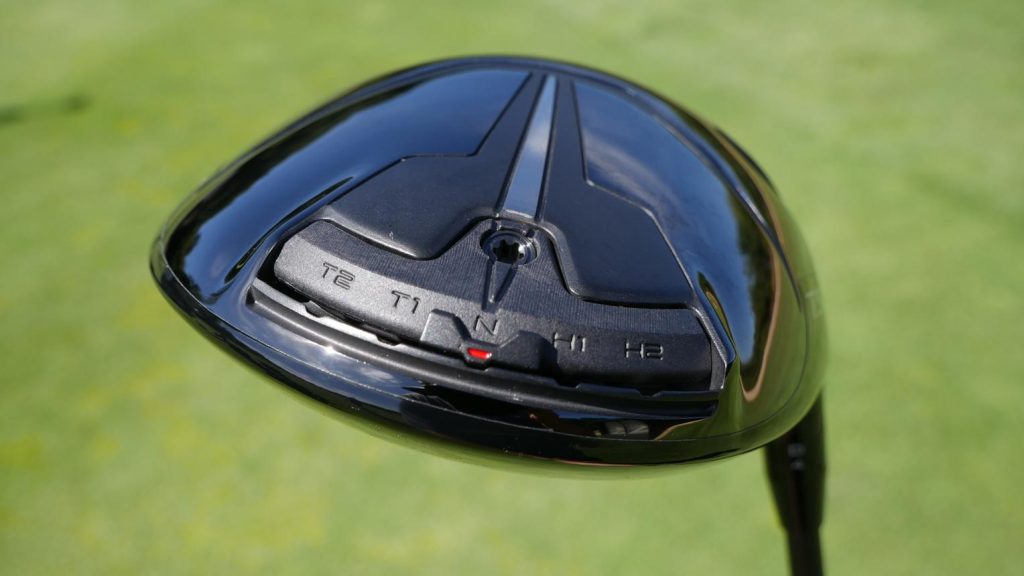
TaylorMade says the Qi4D Max uses a forged 7075 aluminum collar, a new aerodynamic shape, two adjustable Trajectory Adjustment System weights, and a 60x Carbon Twist Face. The company designed it to maintain speed while providing an ultra-forgiving 460cc profile.

Why Consider It
- High forgiveness
- Adjustable weighting
- 460cc profile
- Multiple loft choices
- Designed for more consistent spin across high and low face strikes
- Modern shaft-fitting options
Best For
Golfers replacing an older driver who want substantially more adjustability and forgiveness.
Best New All-Around Driver
Callaway Quantum Max
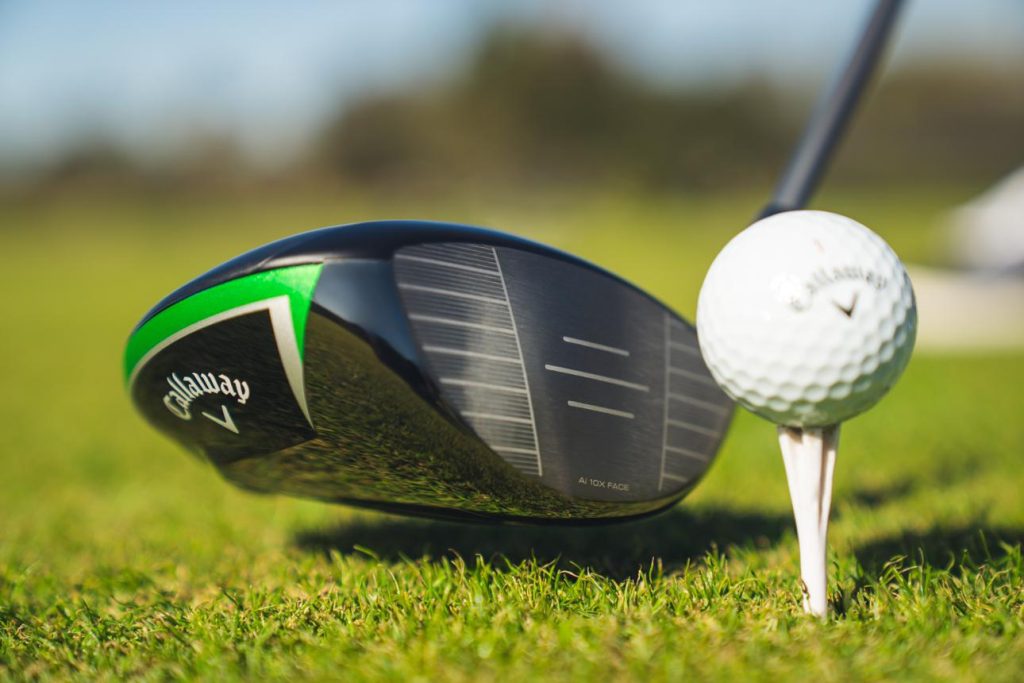
Callaway’s Quantum Max is built around a blend of speed, consistency, adjustability, and a confidence-inspiring shape.
The current model uses Callaway’s Tri-Force Face together with next-generation Ai-optimized face mapping and adjustable weighting. Callaway positions it as a broad-performance driver rather than a highly specialized low-spin or draw-biased model.

Why Consider It
- Balanced performance
- Adjustable setup
- Modern face technology
- Strong option for a broad range of players
- Current-generation design
Best For
Golfers replacing an older neutral driver who want a modern all-around platform.
Best Driver for Forgiveness and Stability
Titleist GT2
The Titleist GT2 is aimed at golfers who want speed and forgiveness across a large portion of the face.
Titleist uses a high-MOI design, Speed Ring VFT face construction, adjustable SureFit hosel, and rear weighting. The company specifically positions the GT2 for golfers who want stability without sacrificing speed.


Why Consider It
- High stability
- Strong performance on off-center strikes
- Multiple lofts
- SureFit adjustability
- Traditional Titleist shape and feel
Best For
Golfers whose older driver punishes heel and toe strikes too severely.
What Should You Compare During a Driver Fitting?
When comparing your existing driver to a potential replacement, bring your current club.
That creates a real baseline.
Compare at least:
| Metric | What You’re Looking For |
|---|---|
| Clubhead Speed | Similar or higher |
| Ball Speed | Better retention across strikes |
| Launch | Appropriate for your speed |
| Spin | Consistent and optimized |
| Carry | Improved average, not one shot |
| Dispersion | Smaller pattern |
| Smash Factor | Efficient contact |
| Strike Location | More centered |
The new driver should need to earn its place in your bag.
Should You Buy Last Year’s Driver Instead?
Absolutely.
Golf equipment does not suddenly stop performing when the next generation launches.
Previous-generation drivers can be some of the best values in golf because:
- Prices often decline.
- Technology remains very competitive.
- More reviews and fitting information are available.
- The performance difference may be small for your swing.
If a previous-generation driver fits you better than the newest model, buy the older club.
New Driver vs. New Shaft
If you like your current driver head but performance has changed, testing a different shaft may be more cost-effective.
Consider a shaft change when:
- Launch has changed.
- Dispersion has widened.
- The club feels difficult to square.
- Your swing speed has changed.
- The current shaft feels too heavy.
Consider a complete driver replacement when:
- The head is damaged.
- The head no longer fits your miss pattern.
- You need much more forgiveness.
- Your current head lacks useful adjustability.
- Launch-monitor testing shows meaningful improvement with a newer model.
How Often Should Serious Golfers Replace Their Driver?
Casual Golfer
Every 5–7+ years, or when performance changes.
Regular Weekend Golfer
Every 4–6 years is a reasonable comparison cycle.
Competitive Golfer
Test new equipment regularly, but replace only when the data improves.
Heavy Practice / Simulator Golfer
Inspect the face and head more frequently because usage can be dramatically higher than normal course play.
The Biggest Driver Upgrade Mistake
Do not assume the newest model is automatically the best one for you.
A driver fitting should answer:
Does the new club improve my average performance enough to justify the cost?
If the answer is no, keep your current driver.
That is often the smartest equipment decision you can make.
Final Verdict
You do not need to replace your golf driver every year.
For most recreational golfers, comparing drivers every four to six years is a sensible approach, particularly if your swing or equipment needs have changed.
You should consider replacing your driver sooner when:
- The club is damaged.
- Your swing speed changes significantly.
- Your normal miss changes.
- You lose distance despite solid contact.
- Your dispersion becomes problematic.
- A fitting shows meaningful performance gains.
If your existing driver is still producing excellent distance, launch, and dispersion, there is no reason to replace it just because a new model has arrived.
But if your driver is several generations old, testing it against newer models such as the TaylorMade Qi4D Max, Callaway Quantum Max, or Titleist GT2 can show whether modern forgiveness and fitting technology can improve your results.
The best replacement schedule is ultimately simple:
Replace your driver when a different club produces meaningfully better golf—not when the calendar tells you to.