
How to Read Greens

Learn to Read Putting Greens Like a Pro and Make More Putts

Master Green Reading, Improve Distance Control, and Lower Your Scores


If you’re consistently hitting greens in regulation but still shooting higher scores than you’d like, your putting may be the missing piece.

And in most cases, the problem isn’t your putting stroke.

It’s green reading.

The ability to correctly read the slope, speed, and break of a putt can save several strokes every round.

The good news?

Green reading is a skill that anyone can learn.

In this guide, we’ll show you exactly how to read greens like better golfers do, using simple techniques that work for beginners and experienced players alike.

At Golf Gear Authority, we’ve researched the methods taught by PGA professionals and used by Tour players to help golfers become more confident—and more successful—on the greens.


Why Reading Greens Matters

Many golfers assume they missed because of a poor stroke.

Often, they simply aimed in the wrong place.

Better green reading helps you:

  • Make more putts
  • Eliminate three-putts
  • Improve distance control
  • Build confidence
  • Lower your scores
https://images.openai.com/static-rsc-4/-WsaNL-mDRWb3iWxQJ90zMIN3DAp3XG9kH_RKbv5vdDm_qEbg1oz2Ic7sj9Axvs8jtmdLkszNwIaHXn-uThsRyy0OGO1zBM0XEYri-OGSmVNAuWEoACckqh-nOCHre9XUAEn1nGH5aa-rxSkSQ5Tqv3FJQ5veuc8bLdryD7-aI-DgexhNmvk0AGz80n8G7qt?purpose=fullsize
https://images.openai.com/static-rsc-4/gUc9KDtIAvdx4nhwQrc8EoEh3BSdT2SrpnMk89Kwm8SvChv6XIlJgzSa6fogTEtaSXCC2uLst8Y--cB1W7qjZfDS5RDE6GMfZPqaMzZ7hL4Lh2hFV_8V7ef3m8bDVBrdweE0ThNSMJM4c3hiengm4ZY4a1AJX_qpp6xJi1lws6MDOZ2xZSK8P9SwSrQByZQ9?purpose=fullsize
https://images.openai.com/static-rsc-4/NmxoaNhO12Pqix1JQP-yLHxRb5Xh9LI_-YR8ViCMYXQoovpHImFgCMxRmFJDgkrXW5Zr5e6KvZ7cSSZgcyDxMonrL6Z2gltr6uMksH2zdPDONuMf8CKV5sEnIhwwg-I_DOlc8nH8p-K4uyjQfb0ixqNI-3EivT9FIC5AhUG4q7WBhwFQzdJ-d8fFVxG5LTgu?purpose=fullsize

The best putters aren’t always the best stroke-makers—they’re often the best green readers.


1. Read the Green Before You Reach Your Ball

Start reading the green while you’re walking toward it.

Notice:

  • Overall slope
  • High points
  • Low points
  • Water hazards nearby
  • Surrounding terrain
https://images.openai.com/static-rsc-4/nnHatxRMrT0IOljsp9dQSVWNyznmjYsxYyj3GNWciz_Vj3dVLPoHFUVWuh6eu7tZ4sv-QHprKWvaDXy18RBgbi8rxzAerWri1ZRTaUlK5Q0d4jfVmHZQ4TqNb9IokS9WjFaGOAijpebS0Mj7cxn6xf3jQNFdxfTEE5x-EHiVYH0jRwT-XpNSReY-kIHHT_zs?purpose=fullsize
https://images.openai.com/static-rsc-4/4b3crUaGA9z4rFKGV2D6eVIzU8fsvNMPpBmVTOJugp4VRbcvudqMEAWE0PsuzpZMoSX8fmzIZV_QJZTtcwo4IJeWtDO_Vkbmk9AFua-sqtPAMotG1dFcoTROHqrChY-1yzHFi7zaiyBnwZCGj7JhV2QOKlHlqWjH2kjv-Nof23CfZ08-0fW-WzALmrsp3sma?purpose=fullsize
https://images.openai.com/static-rsc-4/q2PMaNmXrmXGONGeEzwP_d9Z2nrZV6BASHkXlUyzDYPR5zZwr-97slacwlywTIRgSA2vuYGiuE57defAUqiROTiMwFkroWWIv3KLXBRNzlYnGnCR6nlWvpweVZ_hQ8I7ICFiq_wwRb4Lzcmpmj9_2yxyQTY7VCquEmwi17rfRa3P2dQHxQ221UbdCsc0vxbp?purpose=fullsize

Many golfers wait until they’re standing over the ball.

By then, they’ve already missed valuable information.


2. Look From Behind the Ball

Once you arrive, stand several feet behind your ball.

Look directly down your target line.

Ask yourself:

  • Does the putt move left or right?
  • Is it uphill?
  • Is it downhill?
  • Where is the highest point?
https://images.openai.com/static-rsc-4/nMq5gF3v_sdN1PwAM2XAgjj9iwp4oycTEdBLTlU6trwHZ8IgzhO7wtL9FJ0gmBKZaagGLSRrqkVFc08TfwwY6oP4ytMEpItjIMvlflNrC2_9FyWM0sFvKeSzpkqJd1m8F9kC97tq7JGzCtNDZu8xJJuIKogn5ohjm184A0zPNA7w-CosN5crEYqEdIg2d1pI?purpose=fullsize
https://images.openai.com/static-rsc-4/wv0HdOCFsTAlf2KZVbhuj6WOJ40sBJG1tkDA0s18IwjOS1x5Smjr02Y2mUJ3mun6SqxKsXB0VYpvdoFIfHsjd8YaN0gofJkvNQpf3dIOWuc50Wdp2mjPwasYyyhSoXdfmyIf17ilk791UzO8yjXrPFBWebeEpD5MvWZZL4zNSu2TmEoLwnW6K8kFxnQKkalA?purpose=fullsize
https://images.openai.com/static-rsc-4/t9t4b2gaVwsjJVooBBFnLvtpFW-tKitwXXNXqVkyb0037-mduoOwvsjVRV1Cq9GXZeDt8KeTNKvEGHGkj3ifAbvr5XMJoC-r-3SV1xs82LWc89fhL6JcYXtt8QCbw-AuGtpcxpEhHpfqL2sdJP8AJ4NTxMyufuBXG0_oLCuXKxuphTEq4rnLgqxnqYrxfOv4?purpose=fullsize

This gives you the clearest picture of the overall break.


3. Read From Behind the Hole

Now walk behind the hole and look back toward your ball.

This often reveals slopes that aren’t visible from the opposite direction.

https://images.openai.com/static-rsc-4/P-YKDUCjCWe-QhfapgaJkc42_CS--Uk2PEKCqXjtiP8NHTAO_SsHo6iF_K_kfMfKVIvwYx4fA_rvqTsrKRAescEm49TnmdH9edqgqp-ZOGQY9x2uW8MgK6E29XMMLqCapV2dv8YSyI6EueNpd4ZrowVc66K1yr7Vo2KdJ1df8G10ZubVtMCftOOdpnqDTbc-?purpose=fullsize
https://images.openai.com/static-rsc-4/v6ECbGeRFRhTaqz43RvhWzDD7FesNKI495Z8UwF3eW9HDvJ0XdM52wbwBcJ7SpjM2MI7Yfpq4mZ1EnVvIbA182vbRHI-jJoN6VLm-b99t04Gdsda-m6lt80lVOQVIWjrcnhbp0pjOVGKIhVRGUnA6zkdZUXqI8GZ29g-9QzKMD0d6igc7q0VLcJ2Qa_zAqKc?purpose=fullsize
https://images.openai.com/static-rsc-4/yOHcOPaFnSLIB93ktcV3Zz8Di0d2RkKKJ-nJ75PEy5lKBoRyFtzNZ0e9zS8utLQYT43-V2RJ4pIqI_i8FCLWCNcZZBZ4kyu1dnH4iYKLQ7yKfSaZOzfNU5_58plevrtSo2DT3koNi40pkfx_xg1OGhhN-vuSKUVTM8vaM_1QrfGLlrGEfR84sYxhxYAma9k4?purpose=fullsize

Tour players almost always check the putt from both sides.


4. Feel the Slope With Your Feet

Your feet are one of your best green-reading tools.

As you walk around your putt, pay attention to:

  • Pressure on each foot
  • Which side feels lower
  • Whether the ground tilts uphill or downhill
https://images.openai.com/static-rsc-4/-iKbn8260439jzqR62dgnxrvMoKlcc-f1iFWbIR0-2-kqxAlw4b_-CiUVSkD75AOjEhUnwiZiJuWk29SgFR1_0X5xHKE6NMs5qbAuslN7SPU4LBQqGRSr8kf_RL94SfUv7SXgbBaLtYHVg9uu_LxM9k89ROmUZ5LU8kMmAyQSz-EIoh6kptnSjRTv_BsDGR6?purpose=fullsize
https://images.openai.com/static-rsc-4/MVzOnj55DqpZFc2uhwe2JsM5wQWAkwdjPrl_QDslQuAnBteMWBGguFJar8jvSMOdpcuxWRD0kXz5xZhjUUMYt3lmf7O-tBSySLwVa_53obrMgG7Yq7UTgs7ZOsmXRAYhyVm9nDxtI0HxsgmAPXQYu0l5yU-NvI6RS6MdbKDkpE7ARiHjpR6pmjiEaBoJQEjw?purpose=fullsize

Many instructors believe your feet sense subtle slopes better than your eyes.


5. Find the High Point

Every breaking putt has a highest point along its path.

Aim your ball to start toward this point rather than directly at the hole.

https://images.openai.com/static-rsc-4/V2aaqwrqTfBoBeA2U53v3-IOAFh-k9XF4ee6GREXQyLRhM4i6WQdw199nmo0yc3fWlYMSpF9uLmB8XwgREM8rBwtg4SwHRjgI2sM_7oZA1hMUJ9_CSFp73fzzNXGZrGw00oOPUPOWPF-CRQA5kOtauPN4UWMH5fS5e5SCcfUnVQ5msyzeKInXO1rPTawB5xh?purpose=fullsize

Your goal is to let gravity bring the ball back toward the cup.


6. Understand Uphill vs. Downhill Putts

Uphill Putts

  • Break less
  • Require more speed
  • Easier to make aggressively

Downhill Putts

  • Break more
  • Roll farther
  • Require softer speed
https://images.openai.com/static-rsc-4/WQBgKXCPnbMZSI6Xt-qLFVKVGMhgF2cEePj6xnvqDawsXB1MrfOYjsEL8TrC-YDPGSOJixrcGsFb5geqxj9RGcYyqsLbQMMGLPr3jEKWPGS1UVMagJ8nYYX1P8EtyjtsgBgyboW_Lt5ZCl5rdWB5I9FY-SNWX2DftemjKGCVFJMS0Q5DAVvh0AUGBtJU8KBG?purpose=fullsize
https://images.openai.com/static-rsc-4/E8FtEiBAIp0_QtrH6VWgkP1h4r8Dy21e32CW9Mk_taaRFg99Bziv5-hwHGdYSqR73mG2y4yvD4BvNx3qVzu3IFydYREuSblAzbbtmzwDQ-1hmwYnOJAiv-89-qTUWvq5WJG9DGSMGwjYVE_T7ZE_bdAbhmqGvCb1g8izqY7MnSJH60VA9MN0WLtCp0z-982D?purpose=fullsize
https://images.openai.com/static-rsc-4/m3EXL7Ap4wNkYjH6B7eG-IEGmKZv8KZtSOPn19LGvAcz2tKo9TdpMD178oJGHm8j3Zxy34yJCTTOWb_DTHqkwmNpSezwRTMMCdYE7bupNtu9kdtMVzDReIKTsvVibtcubAbKTH-rMxatfAkb-aEExAiafIL_S95BCZ0FE34y_axQBMS3lm6YRHXoYiGSzhxF?purpose=fullsize

Controlling speed is just as important as reading the line.


7. Pay Attention to Grain

Not every golf course has noticeable grain, but on bermudagrass greens it can significantly affect putts.

Generally:

  • Putts rolling with the grain are faster.
  • Putts rolling against the grain are slower.

Look for shiny or dark patches of grass to help identify grain direction.

https://images.openai.com/static-rsc-4/0IFh377gtk5Aau-V3JPyIfKrGy9_avf5H3949t4r3y5ZZSOSZF37g9KoEeD9uMVN4jAAR0I_iKahrL24bxJgyd1p-wgVxhV-iJrLZI9QvCNlj6H_Qhx-NZCkNJ0Yl31Sb1jZL3pVRGYx05eXy_A3kV2oXDPR91rpVNf4dEmu9DWXSDDczkLYdhzsvxDfc5Z6?purpose=fullsize
https://images.openai.com/static-rsc-4/xW2VrAgV7Ce2W6zTh4VRPxrA0fA6sW2DfcV3szU51l5yHbmBHzPpiqx6ZNWiL8wGytvejEFgl6qi6W5C21B9By5mBDgsv-TUL6COwwzCAlcPVwO_V7T8uq3fwJfFA6miPNKTLODCjXBggGC-OvVNqc2f5ZTUPiIYT2laHOfFLtenTPkbwPkQMMhdUT_5NYu0?purpose=fullsize
https://images.openai.com/static-rsc-4/Pk3BS6TQFs8661zhQMvRRbs1wUc67Ox9911kyKqV8NrNocAHZiyklYCByxlzXUvFkt-t-EL0zrXQ43hHYlHkS0ySkEU5SNjr_xpKjqHDXRFcHfH_UF_0fq8mKK9I7HEGE24hGeGizIhcG7wRv1Kn4Qfw9czAv8SQAUyiRfEAtDD52akfCuzhuKFBLWWWRzk4?purpose=fullsize

8. Commit to Your Read

One of the biggest mistakes golfers make is second-guessing themselves.

Once you’ve chosen your line:

  • Trust it.
  • Make a confident stroke.
  • Avoid changing your mind over the ball.

Confidence improves putting performance.


9. Improve Your Distance Control

Perfect reads don’t matter if the speed is wrong.

Practice lag putting from:

  • 20 feet
  • 30 feet
  • 40 feet
  • 50 feet
https://images.openai.com/static-rsc-4/YPqKohFUsa4AAXISLk_x2qx--btkKmiKi0G-YQMOWCkHjlFHCYqcIgBFj_keCPMCZ4qlAWn-R6GXysaGs16Hle1V1ACyjZeGV92aUgdJDP3tc1Jp-zbbiSUM77f_ti0mcuXEpe-blMnvsK0wnsSjjRiaLc58FgXbhmSkYwjGe3QwSZz8ajC8WaXTCsxWdNTl?purpose=fullsize
https://images.openai.com/static-rsc-4/1Fd6FT6Eibg2v2O4un8kxEHDmt1E-2SPDDqhyHcRmTM1RL2stp0sithliYtfGEcnXSAZoQQPZa99XE-O7grKvFS-tUgRJbZOUBfuf8uOfRZTshU4g0e_nM6MJOIYkycdy6vFWd2-4mcQdm6ENatLBeJfspkfQeJyi2oJrD5jdgS9L9w7JpLhYr4mWDTdUO6g?purpose=fullsize
https://images.openai.com/static-rsc-4/usMuwWzelD6xvgr_EEIT263LUXzTBNerDZ3GRsOvYG4cG3tlBsNMxhhlXBtmL5eX6dDXNcGG_rpWhL9bgMHj7nJZH1p9M8Jg7dN3vUKUNTSd3tZhsCXYV8PNFH22CtD-jOtsdUX1CssZ-2jcf8iUxRwZPqTV31FILEdSo5woWibBvCm4rgA5XfQiSnczAyOB?purpose=fullsize

Great distance control eliminates three-putts.


10. Practice With Green Reading Aids

Modern training tools can accelerate improvement.

Popular options include:

  • Putting Mirror
  • Alignment Sticks
  • Putting Gates
  • Digital Green Reading Books (where permitted)
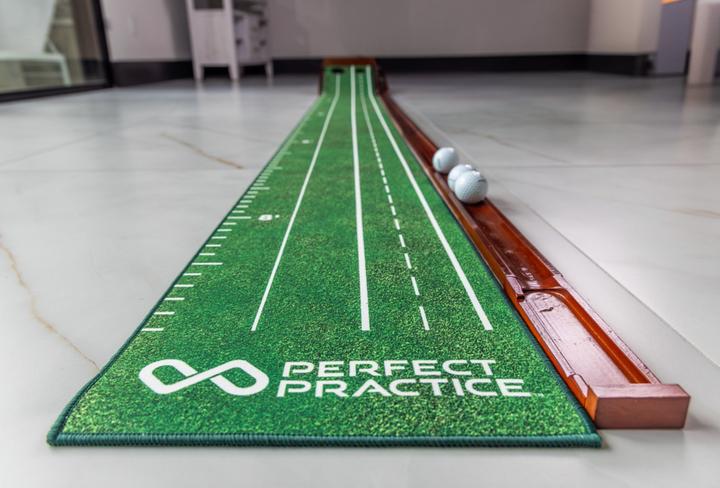
  • Indoor Putting Mats
https://images.openai.com/static-rsc-4/1QFe_Q_1Av4ELHgcArfvZbMG1cBX6gvOKffyoH9XooniegQARjryX7xmahuZPbyZF3TYZm0TasTN7Y0A6RGSWwWfLsy_h0S5iSAUDxIAkvbpFdvAKVyXSTmxhjbCkSqXQe7d6SjcceK9O5FXiIM2M6sFB9weFky78hFNhAf6zSZKc_JOTlCSfKrnl6JpLYKt?purpose=fullsize
https://images.openai.com/static-rsc-4/YC2tEXX4FO6i2e0aiOnH9jkLttQc13p-Deo-Y867KvEy24OtbEqdY8THC_Grhu45rpJCMfIVu8dYj8YMhk7Cfu5WNEz_jfVK1YIFVHBrOrhKEveRy6VLkJKwfmchhwObgy0dehRc0fnEKUO_eKE0RbHsZeVo1xT_E8jrI5dPPGR8ci9CmzCem0PDipC6ANBE?purpose=fullsize
https://images.openai.com/static-rsc-4/XKN3TCuMYrHFQDQCOk1MpoCVu5kEp7ctznCHsV32hjN_KkRp-ysIJzMJ79-RcxjCfMFYuxzwnoWex5oRUvNJhN1iJliIP3UZYvuNf_iDaT6od6msnZ0l0rAEZR6K6X5EfW5Mbbi9ri5LoOih0t6w-jDhG450bdbwrOyTvhczEYrShQfaSgqw9WA8hwVPBIcs?purpose=fullsize

Common Green Reading Mistakes

Looking Only From One Side

Always read from behind the ball and behind the hole.

Ignoring Speed

Every read depends on the pace of the putt.

Playing Too Little Break

Most amateur golfers under-read putts.

Changing Your Mind

Commit to your read before making your stroke.


15-Minute Green Reading Practice Routine

5 Minutes

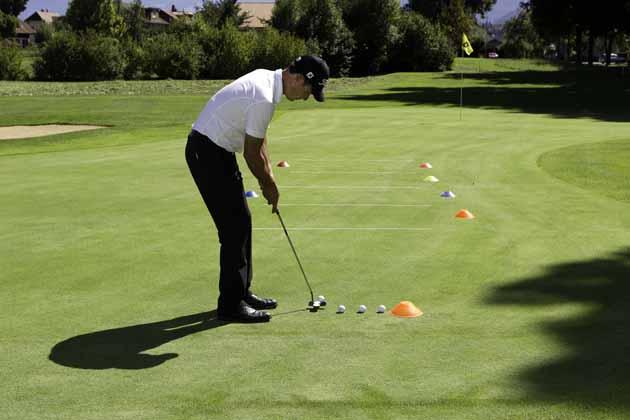
Read putts without hitting them.

Guess the break first.

5 Minutes

Practice lag putts from multiple distances.

5 Minutes

Create a circle of six putts around one hole.

Focus on both reading and speed.

Purposeful practice improves green reading much faster than simply hitting hundreds of putts.


Best Putting Equipment

https://images.openai.com/static-rsc-4/Ro82QAx3uX1MZNijQWVl3KXk8s-T0eaf3LR0zX-DIa0V2lrkq9omCGUxgRf0nXqeh41Il_0Ex00PFV2_X_B6NzqEwP3Qpdy2i0p2_64yhb48--pTFPcnYrDFVjsFpuZGjMAA35398RrtpEBfFXzWTJV_6NfAKrKsfpZLyfIR51D6F3pNUGAFZcsgkew-ynnO?purpose=fullsize
https://images.openai.com/static-rsc-4/vmH06r1DlA2BwEeacE6_RDpUQrnXJp9DTtlpjo35uL8lxZ15JVOQjoAEinmYuHfDG9QVdGPzz8zi5yGHZscLxduG3UNcxwz7Vv0Ht2PQ_PS9aWf-RcDB3FpyOpVznVuR0cXLqY1c5jKBIZAPAjmULYNqgHYJpCbqjrexC7-d4_7wffRnGyNA2EvSAKgbVYN9?purpose=fullsize
https://images.openai.com/static-rsc-4/1QFe_Q_1Av4ELHgcArfvZbMG1cBX6gvOKffyoH9XooniegQARjryX7xmahuZPbyZF3TYZm0TasTN7Y0A6RGSWwWfLsy_h0S5iSAUDxIAkvbpFdvAKVyXSTmxhjbCkSqXQe7d6SjcceK9O5FXiIM2M6sFB9weFky78hFNhAf6zSZKc_JOTlCSfKrnl6JpLYKt?purpose=fullsize

Best Premium Putter

Scotty Cameron Phantom

Best Technology Putter

Odyssey Ai-One

Best Practice Aid

Putting Mirror

Best Indoor Practice Tool

Premium Putting Mat


Final Tips

If you want to become a better green reader:

✔ Start reading while walking to the green.

✔ Look from behind the ball and the hole.

✔ Feel the slope with your feet.

✔ Identify the high point.

✔ Control your speed.

✔ Trust your read.

Better decisions lead to better putting.


Final Verdict

Learning to read greens is one of the fastest ways to lower your scores without changing your swing.

By improving your ability to recognize slopes, understand speed, and commit to your line, you’ll make more putts, eliminate unnecessary three-putts, and gain confidence every time you step onto the green.

Remember, great putting isn’t just about making a good stroke—it’s about starting the ball on the correct line at the correct speed.

Master those two skills, and your scorecard will reflect the difference.

Share:

Latest

Indoor Golf Practice Drills

15 Simple Drills to Improve Your...

Pre-Putt Routine Guide

The Complete Step-by-Step Routine to Make...

Backyard Golf Practice Ideas

15 Easy Ways to Improve Your...

Putting Grip Styles Explained (2026)

Find the Best Putting Grip to...

How to Read Greens

Learn to Read Putting Greens Like...

Short Game Practice Routine for Weekend Golfers

A 30-Minute Practice Plan to Save...

Table of Contents

Related