
Blade vs Cavity Back Irons
Which Is Right for Your Game?


Blade or cavity back?
It’s one of the most debated decisions in golf equipment.
For some, blades represent purity.
For others, cavity backs represent practicality.
At Golf Gear Authority, we don’t approach this as a debate.
We approach it as a performance decision.
The right iron is the one that:
- Matches your ball-striking consistency
- Produces predictable distance
- Controls dispersion
- Builds confidence over approach shots
Let’s break down the differences — clearly and honestly.
What Is a Blade Iron?
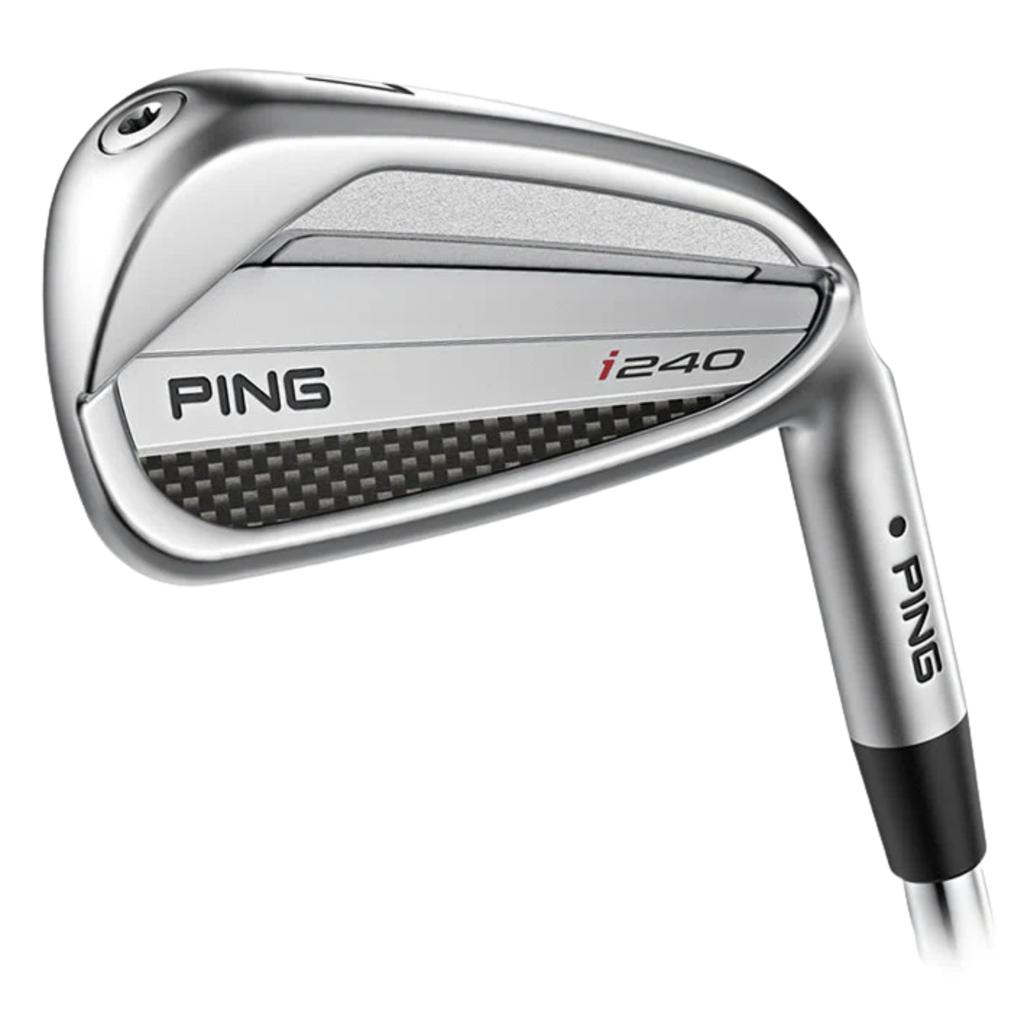
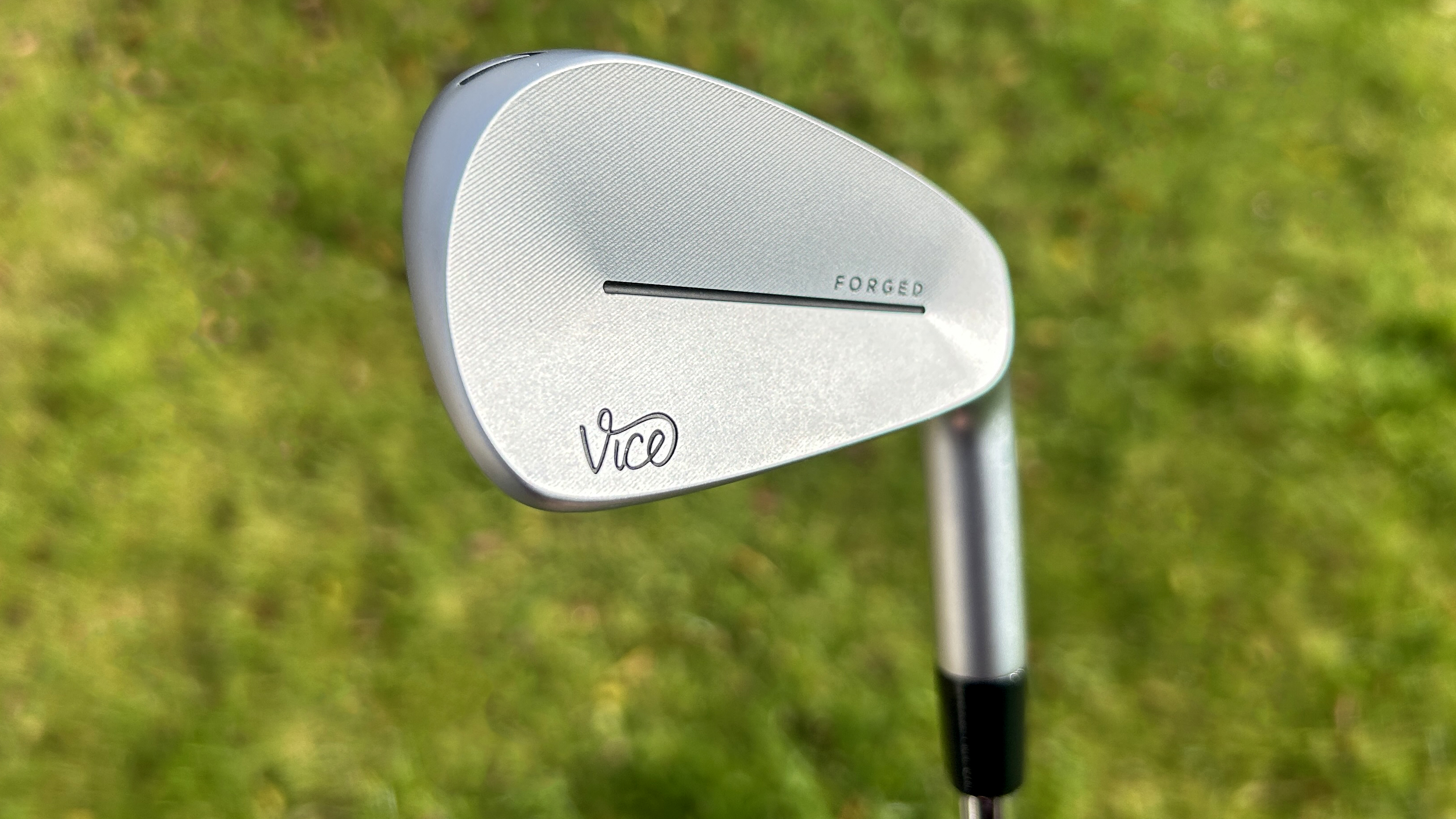
Blade irons (also called muscle backs) are compact, single-piece designs with minimal perimeter weighting.
They are known for:
- Thin toplines
- Narrow soles
- Compact clubheads
- Maximum feedback
What Blades Offer
- Precise shot shaping
- Lower, more controlled flight
- Immediate feedback on strike location
- Traditional appearance
Blades reward consistency.
They also expose inconsistency.
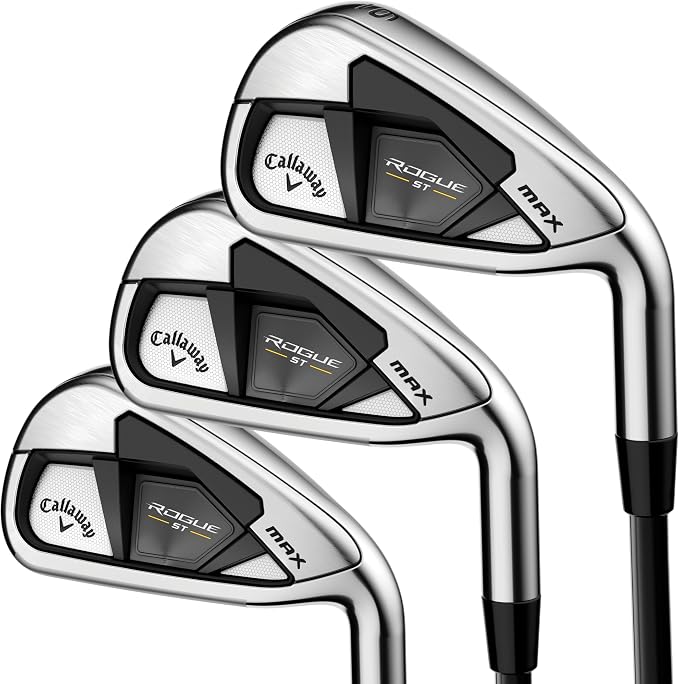
What Is a Cavity Back Iron?
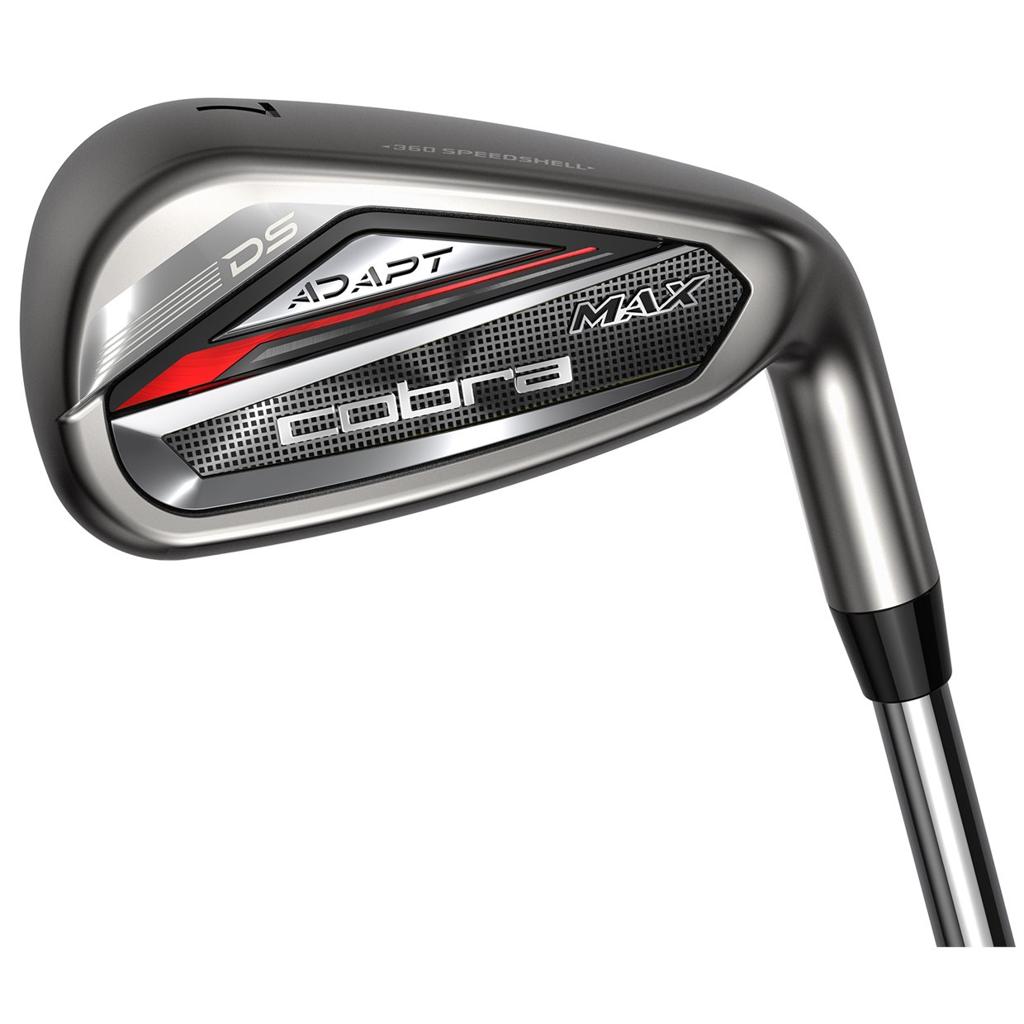
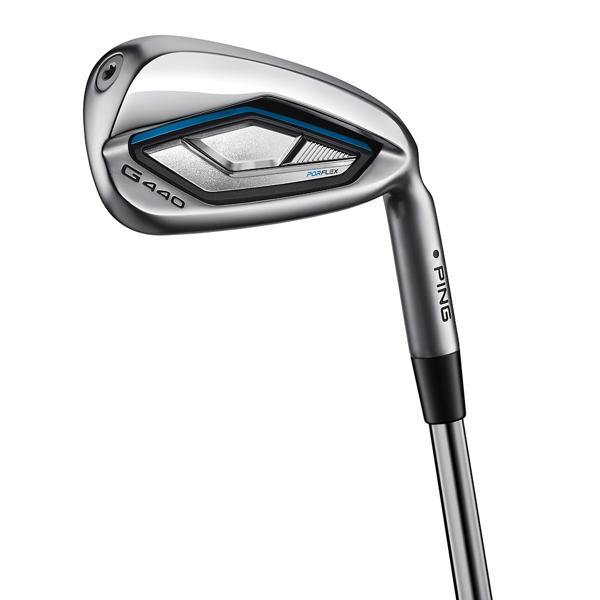
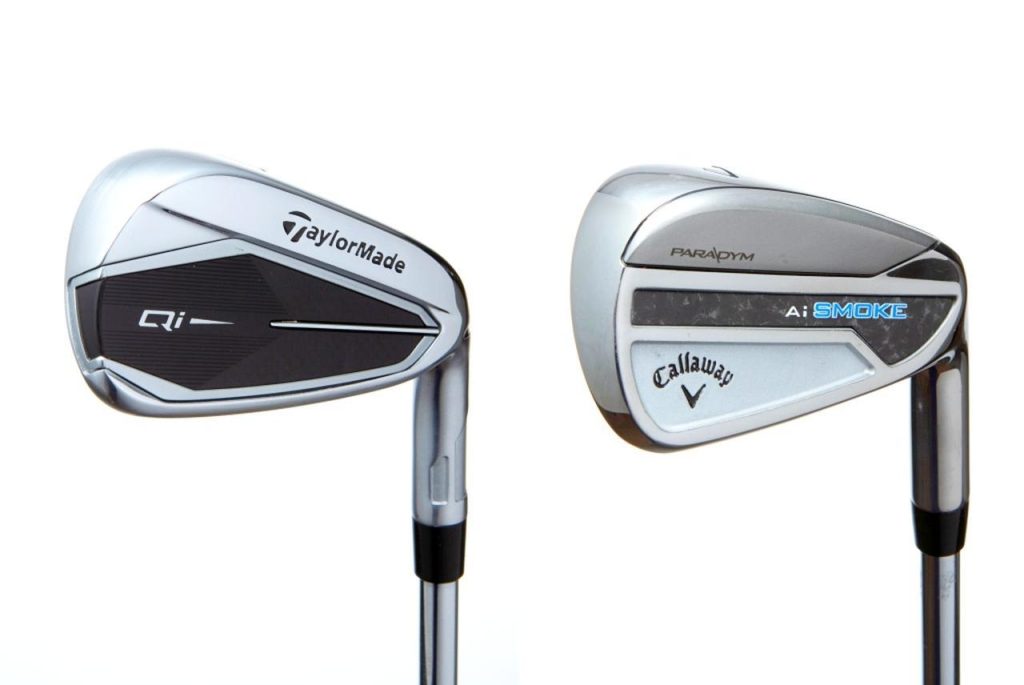
Cavity back irons redistribute weight around the perimeter of the clubhead.
This design increases forgiveness.
They are known for:
- Slightly larger head profile
- Wider sole
- Higher MOI (forgiveness)
- More stable face on mishits
What Cavity Backs Offer
- Higher launch
- More consistent distance on mishits
- Reduced face twisting
- Greater margin for error
Cavity backs are designed to make the game easier.
And easier often means lower scores.
The Real Difference: Forgiveness vs Feedback
Here’s the core distinction.
Blade Irons
- Less forgiveness
- More workability
- Greater strike feedback
Cavity Back Irons
- More forgiveness
- Higher launch stability
- More consistent carry distance
The question isn’t which is better.
It’s which helps you score.
Who Should Play Blade Irons?
Blades are typically best for:
- 0–5 handicap golfers
- Consistent ball strikers
- Players who shape shots intentionally
- Golfers who value feedback over forgiveness
If you consistently strike the center of the face, blades can offer control and precision.
If you do not, they will cost you greens in regulation.
Who Should Play Cavity Back Irons?
Cavity backs are ideal for:
- 6+ handicap golfers
- Players seeking more consistency
- Golfers who struggle with long iron launch
- Anyone prioritizing forgiveness
Even many low handicappers choose cavity backs for long irons.
Because forgiveness isn’t weakness.
It’s strategic.
Distance Differences: Are Blades Shorter?
Modern cavity backs often feature stronger lofts and faster faces.
This can produce:
- Higher ball speed
- Longer carry distance
- Stronger loft gaps
Blades traditionally focus more on precision than raw distance.
But distance without control doesn’t lower scores.
Consistency does.
Feel: The Most Subjective Factor
Many golfers describe blades as “softer.”
In reality, feel is influenced by:
- Strike location
- Shaft
- Ball used
- Construction method
Pure strikes with either design feel excellent.
Mishits feel better with cavity backs.
That matters over 18 holes.
Combo Sets: The Smart Middle Ground
Many golfers now play blended sets:
- Cavity back long irons (4–6 iron)
- Blade or players irons in short irons (7–PW)
This offers:
- Forgiveness where needed
- Precision where it matters most
For many golfers, this is the optimal solution.
Should You Switch to Blades?
Switch if:
- You consistently strike center
- You desire more shot shaping control
- You prefer minimal offset
- You are comfortable sacrificing forgiveness
Do not switch because:
- They look better
- You want to “level up”
- Your favorite tour player uses them
Irons should match performance — not ego.
Our Perspective
Blade vs cavity back is not a philosophical debate.
It’s a performance equation.
Ask yourself:
- How often do I hit the center?
- Do I struggle with distance consistency?
- Would more forgiveness lower my scores?
There is no extra credit for playing blades.
There is only the scorecard.
Choose the iron that gives you:
- More greens
- Tighter dispersion
- Greater confidence
That’s the smarter decision.