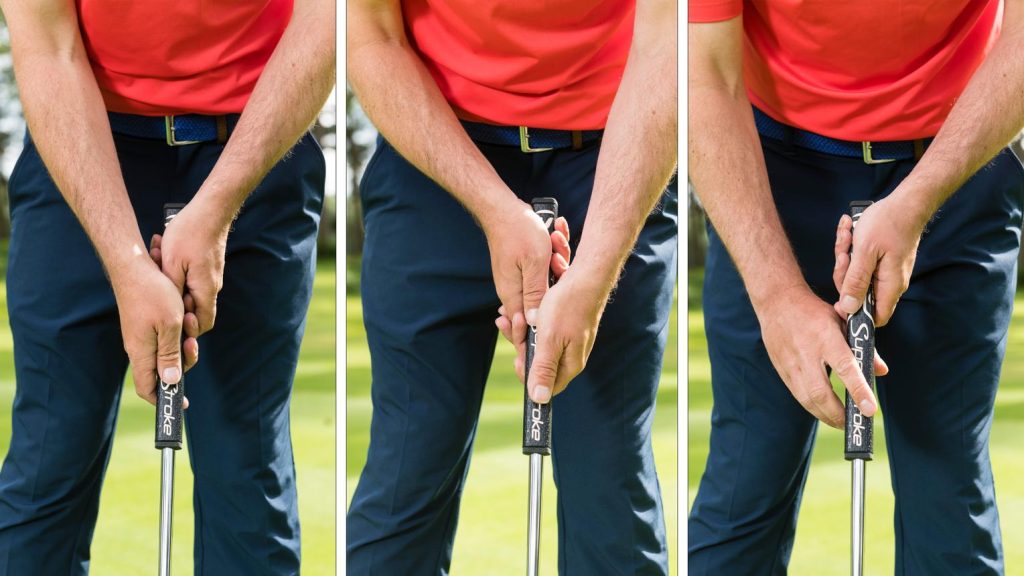

10 Proven Tips to Make More Putts on Slow Greens
Master Your Speed Control and Lower Your Scores
Few things frustrate golfers more than leaving putts consistently short.
If you’ve ever played after heavy rain, on municipal courses, or during cooler weather, you’ve probably experienced slow greens.
The biggest mistake golfers make?
They continue using the same putting stroke they use on fast greens.
The result:
- Putts left short
- More three-putts
- Lost confidence
- Higher scores
The good news?
Putting on slow greens isn’t difficult—you simply need to adjust your setup, stroke, and mindset.
In this guide, we’ll show you 10 proven ways to become a better putter on slow greens and start making more putts immediately.
At Golf Gear Authority, we’ve researched the techniques used by top instructors and accomplished golfers to help you develop better speed control and confidence on any putting surface.
Why Slow Greens Are Difficult
Slow greens require more energy to get the ball to the hole.
Many golfers make the mistake of trying to “hit” the putt harder instead of making a better stroke.
This often leads to:
- Poor contact
- Inconsistent distance
- Missed putts
- Loss of feel


The key is making a longer, smoother stroke—not a faster one.
1. Make a Longer Putting Stroke
Instead of accelerating aggressively through the ball, simply lengthen your backswing.
Think:
- Longer stroke
- Same tempo
- Smooth acceleration


Why It Works
A longer stroke maintains rhythm while producing more distance.
2. Commit to the Putt
One of the biggest reasons golfers leave putts short is indecision.
Once you’ve picked your line and speed:
Commit.
Avoid trying to guide the ball.
Confidence produces better speed control.
3. Practice Long Putts Before the Round
Before teeing off, spend most of your practice time on putts between:
- 20 feet
- 30 feet
- 40 feet
- 50 feet


This quickly calibrates your feel for the day’s green speed.
4. Keep the Same Tempo
Many golfers try to hit putts harder by swinging faster.
Don’t.
Maintain your normal rhythm.
Simply make a slightly longer stroke.
Think:
“Longer—not quicker.”
5. Accelerate Through Impact
Never decelerate.
A decelerating stroke often leaves putts:
- Short
- Offline
- Inconsistent


Focus on finishing your stroke naturally toward the target.
6. Read More Break Than You Think
Slow greens often require the ball to spend more time rolling.
That means the ball has more time to break.
Don’t automatically assume less speed means less break.
Read the entire putt carefully.


7. Hit Putts Past the Hole
One of the best putting philosophies is:
“If it never reaches the hole, it can’t go in.”
Try to roll your putts:
12–18 inches beyond the hole.
This gives every putt a chance.
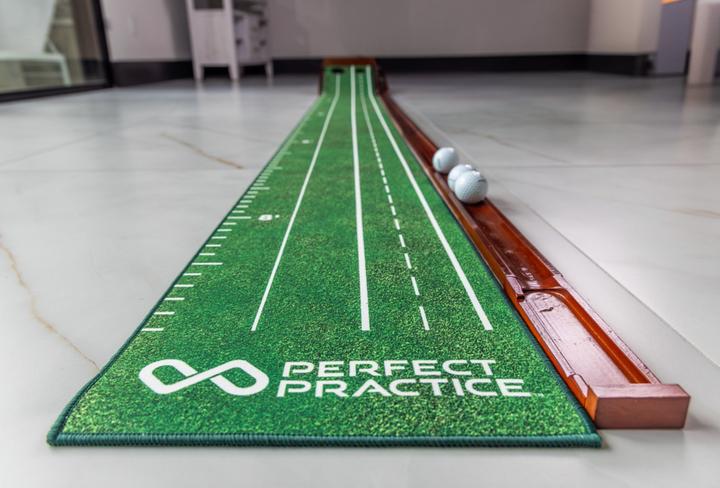
8. Practice the Ladder Drill
The Ladder Drill is one of the best exercises for improving distance control.
Place tees at:
- 15 feet
- 25 feet
- 35 feet
- 45 feet
Putt one ball to each target without going past it.


Repeat until your speed becomes consistent.
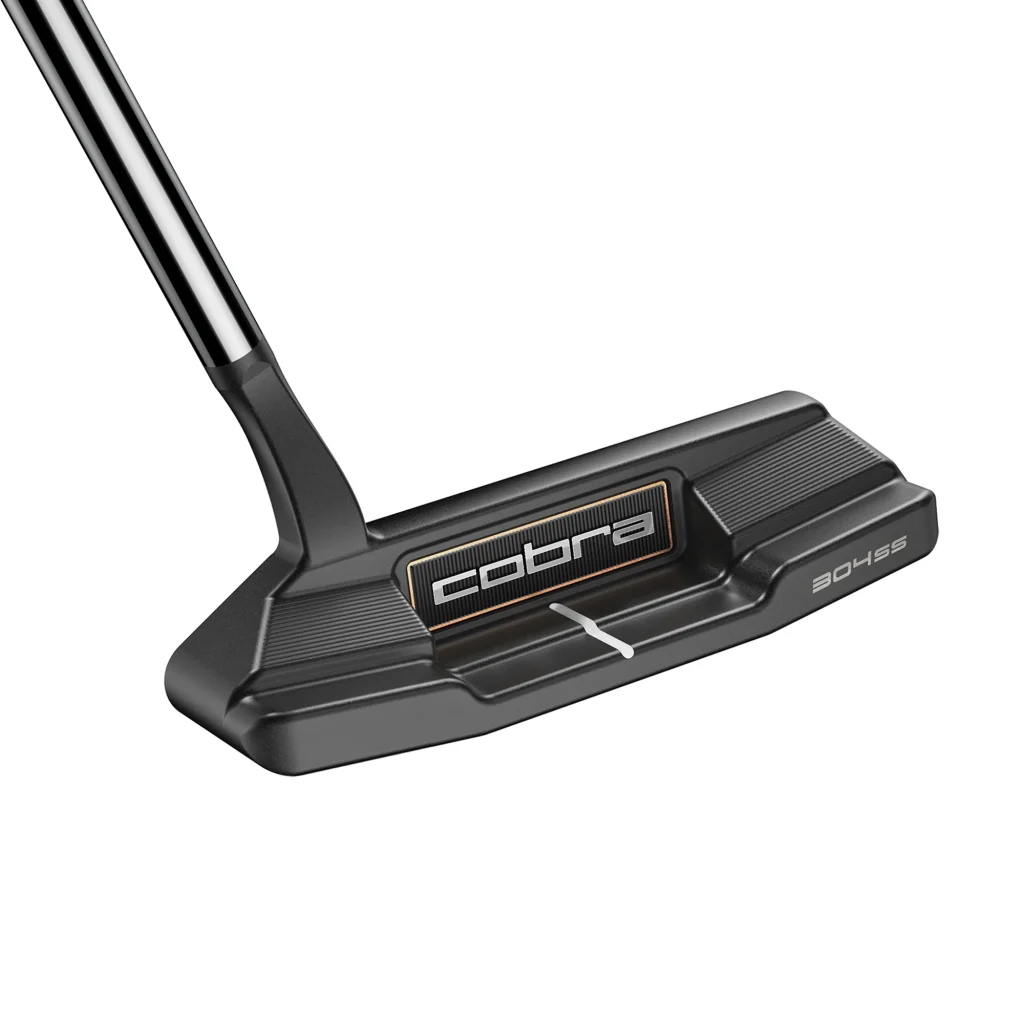
9. Use the Right Putter
Modern putters help golfers improve consistency.
Our favorites include:
- Odyssey Ai-One
- Scotty Cameron Phantom
- TaylorMade Spider Tour
- Ping PLD DS72


Forgiving putters help maintain speed even on slight mishits
10. Build Confidence Through Practice
The best putters aren’t lucky.
They trust their stroke.
Practice pressure drills like:
- Make ten three-foot putts in a row.
- Lag five balls inside a three-foot circle.
- Finish every practice session by making short putts.
Confidence transfers directly to the golf course.
Common Mistakes on Slow Greens
Swinging Too Hard
Hard swings destroy consistency.
Decelerating
Always accelerate through impact.
Ignoring Green Conditions
Every course is different.
Adjust during warm-up.
Leaving Every Putt Short
Be aggressive enough to give the ball a chance.
Best Equipment for Better Putting


Check Today’s Special Price and Availability on the top gear. Links below.
Best Putter
Best Premium Putter
Best Putting Aid
Best Indoor Practice Tool
Final Tips
If you’re struggling on slow greens:
✔ Make a longer stroke
✔ Keep the same tempo
✔ Accelerate through impact
✔ Practice long putts
✔ Trust your read
✔ Don’t leave putts short
Small adjustments can dramatically improve your speed control.
Final Verdict
Slow greens don’t have to ruin your round.
Golfers who adjust their:
- Stroke length
- Tempo
- Practice routine
- Green reading
quickly become much more confident putters.
The best putters don’t force the ball to the hole—they make smooth, confident strokes that match the speed of the greens.
Ready to Become a Better Putter?


Explore our favorite putters, putting aids, training mats, and golf balls to improve your speed control and make more putts on every type of green.